Replacing My Old Air Conditioner Unit Even If It's Working?
Replacing My Old Air Conditioner Unit Even If It's Working?
Wisdom on Wednesdays
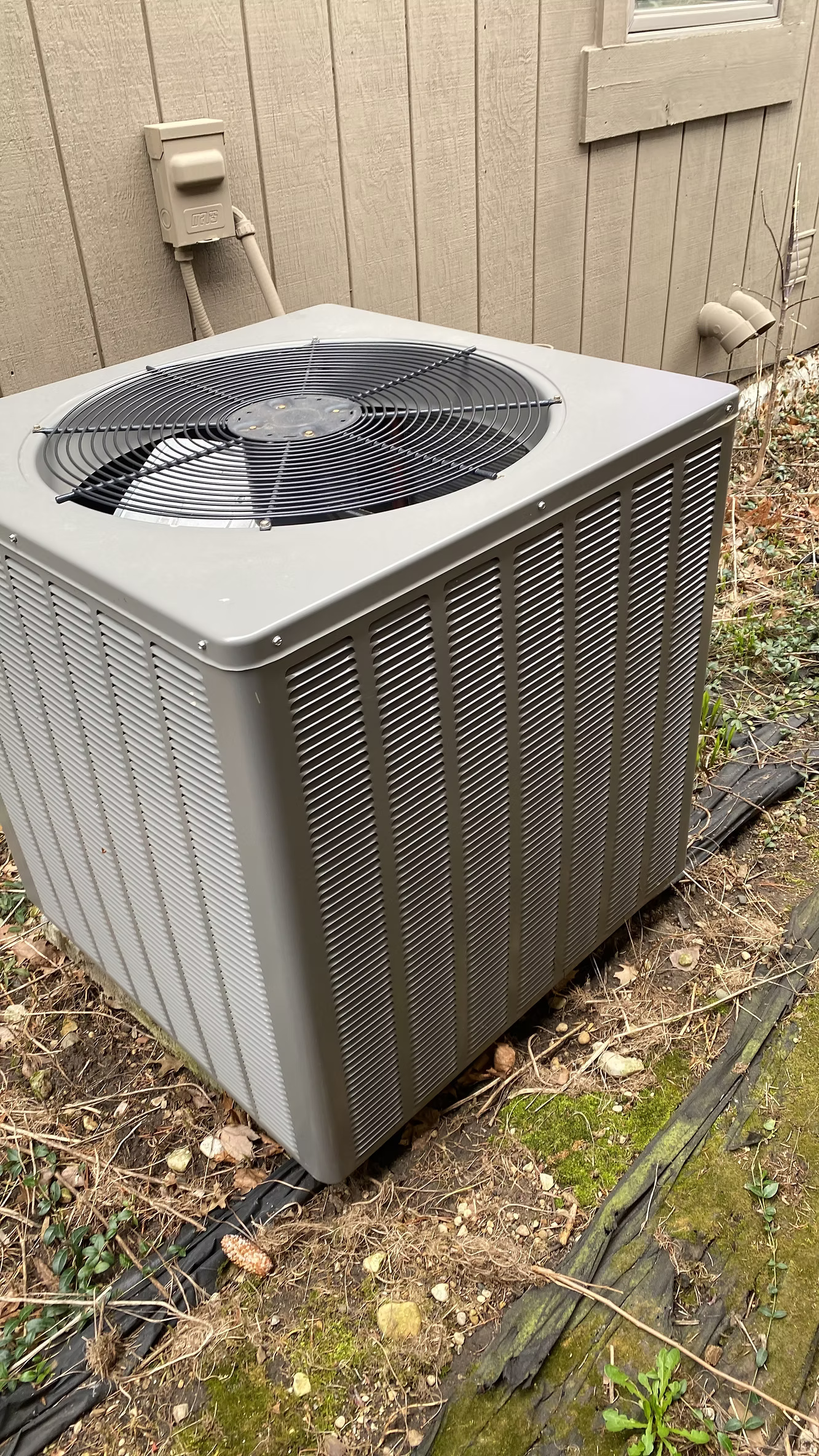
In the scorching summer heat, your trusty old air conditioning unit has faithfully kept you cool for many years. But as technology advances and environmental regulations change, the question arises: Should you replace your old AC unit even if it's still working?
The Dilemma: Old Unit, New Problems
Let's dive into the factors when deciding whether to replace your old air conditioner. One crucial aspect is the age of your unit. If your AC system is over 10-15 years old, it may not be as efficient as newer models. Older units tend to be less energy-efficient, leading to higher utility bills that could offset the cost of a new system over time.
Parts Availability and Freon Concerns
Another significant consideration is the availability of parts for your old AC unit. Manufacturers may stop producing parts for older models, making repairs difficult and costly. Additionally, if your unit uses Freon as a refrigerant, it's essential to know that Freon (R-22) has been phased out and is no longer manufactured as of two decades ago. The scarcity of Freon can drive up the cost of recharging your system if there's a leak.
Repair Costs vs. Replacement Expenses
Now let's talk numbers. Repairing an old AC unit can quickly add up, especially if it requires significant repairs or frequent maintenance. Compare the cost of necessary repairs to the price of a new, more energy-efficient system. A newer unit may not only save you money on repairs but also reduce your energy consumption, benefiting both your wallet and the environment.
Making the Decision
Deciding whether to replace your old AC unit goes beyond functionality. It involves a balance of financial considerations, environmental impact, and long-term savings. Here are some key points to help guide your decision-making process:
- Energy Efficiency: Newer AC units are designed to be more energy-efficient, which can result in substantial savings on your energy bills over time.
- Environmental Impact: Older units using outdated refrigerants like Freon contribute to ozone depletion. Upgrading to a newer unit with eco-friendly refrigerants can help reduce your carbon footprint.
- Comfort and Reliability: New AC systems offer improved comfort features and better reliability, ensuring consistent cooling performance throughout the hot summer months.
- Warranty and Maintenance: Purchasing a new AC unit often comes with a warranty, providing peace of mind and potential savings on future maintenance and repairs.
Final Thoughts
In conclusion, while it may seem cost-effective to hold onto your old AC unit as long as possible, the long-term benefits of upgrading to a newer, more efficient system are worth considering. By replacing your aging air conditioner, you can enjoy improved comfort, energy savings, and peace of mind knowing that your cooling system is operating at its best.
Make the smart choice for your home and the planet by saying goodbye to your old AC unit and welcoming a cooler, greener future!
Michael Hetzel
Owner & Certified Professional Inspector